
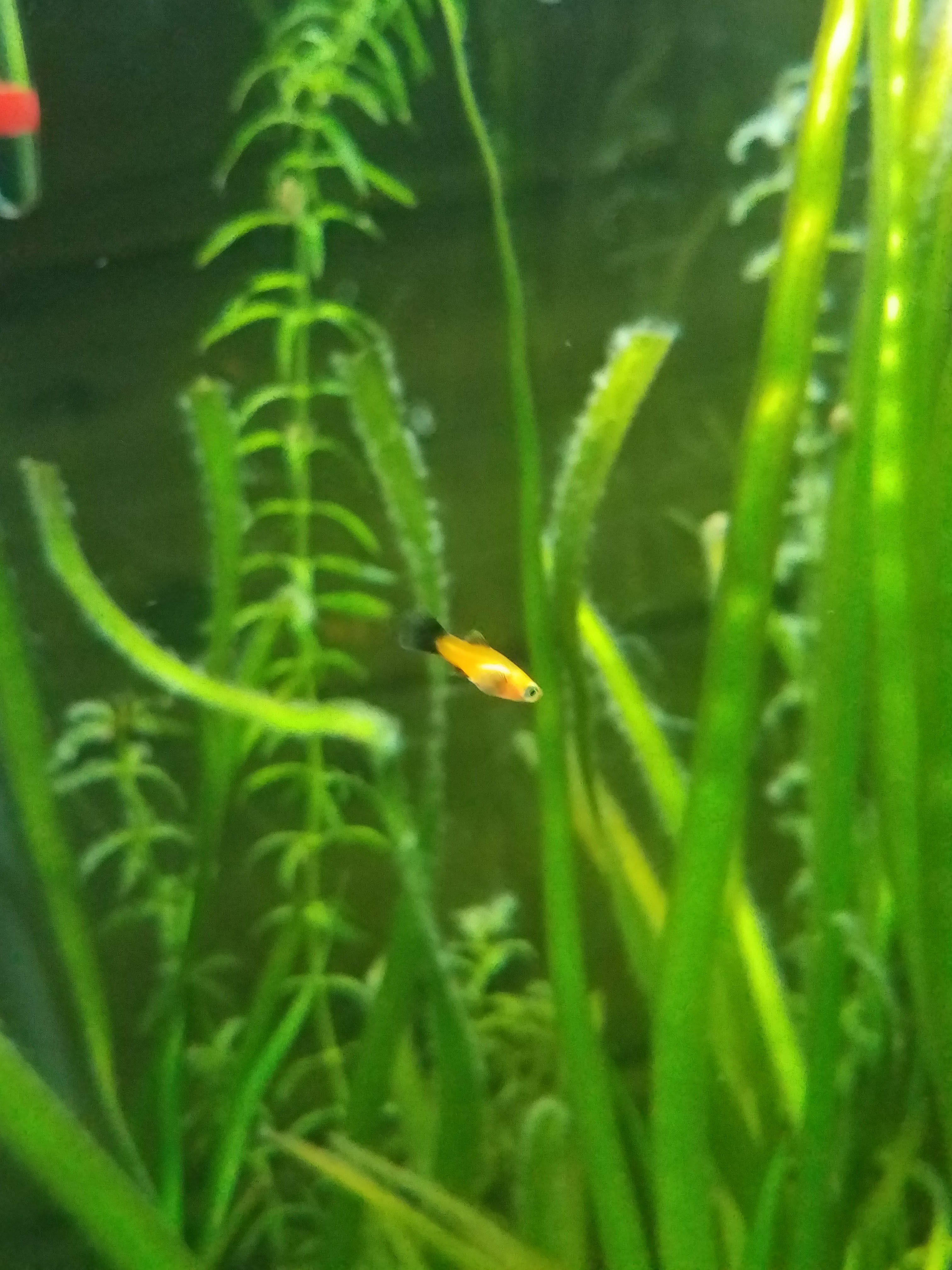
For a while, I didn’t like keeping fish in my aquariums. I preferred the look of the plants and didn’t want to put up with the waste and additional maintenance of fish. But what’s the point of having an aquascape if you don’t stock it?
After all, you’re creating underwater ecosystems and no ecosystem is complete without the presence of fish. But what fish would I get for my aquarium? And why should I pick one fish over the other?
In this article, I’ll answer those questions and tell you everything you need to know about being a fishkeeper, from buying your fish to helping them thrive in your home.
Setting up your tank – size does matter
Never keep any fish in an aquarium smaller than 5 gallons. In the wild, fish (normally) have all the space they need to find food, swim, breed, and grow. You and I can’t keep our fish in a pond or a river in most cases, but we can make sure our tank is the right size for them.
When buying fish, make sure the species you’re buying can be comfortably housed in the aquarium you have. The general rule is 1 inch of fish per gallon of water, but that doesn’t apply to all situations.
Filter size, plant density, and even size of fish are all factors. 10 neon tetras would fit in a 10-gallon aquarium, but a 10-inch pleco wouldn’t. Keep the size of your aquarium in mind when buying your fish and don’t overstock.
More fish = more waste. And more waste can increase the chances of illnesses and algae outbreaks. Just know the more fish you buy, the more important water changes become.
How to recognize sick or healthy fish
If you’re buying fish online or from a breeder where you can’t see the fish in advance, this section doesn’t really apply. But if you’re going to your local pet store, these are some things I wish I knew before buying my own fish for the first time:
Don’t buy fish with hollow stomachs. This either means that they’ve been neglected and not fed recently, or some parasite or illness is preventing them from eating.
Don’t buy fish that are frantically darting about the tank. In some cases, this is a sign of stress caused by unbalanced water parameters or an illness. Look for fish exhibiting normal behaviors.
Don’t buy fish in a tank with sick or dead fish. Ever. Period. Those fish died or are sick for a reason, and you don’t want to bring that reason into your tank at home. They’ll either die there or potentially infect other fish in your tank (if you have any).
Don’t buy fish if their water is discolored. If the water is cloudy, green, yellow, or any color that isn’t clear, don’t buy those fish.
If you’re buying shrimp or snails, don’t buy them if their shells show any signs of erosion.
Don’t buy fish you don’t know anything about. Do your research in advance, and buy those fish. If you get to the store and they’re out of stock, don’t make an impulse buy. I bought a German Ram this way once, and it died later that week because my water chemistry was completely wrong for it.
Don’t buy fish that don’t fit your water parameters. It’ll stress them out and could eventually kill them or drop their immune systems.
Basically the message for buying fish is make sure they’re healthy and that they’ll be happy in your aquarium. It’s really that simple – just make sure to always do your research in advance.
Adding fish to your aquarium the right way: drip acclimation
Adding fish to your aquarium the right way is a little more involved than just letting the fish bag float in your water. This is a good way to get your new fish used to the temperature of the water and absorb their new surroundings, but that’s about it.
The water you bought your fish in is typically different from your water at home. Even if it isn’t, any sudden changes in their environment can be enough to stress or kill them, so you’ll want to adjust them slowly. The best way to do this is through drip acclimation.
Drip acclimation is slowly adding small amounts of the water in your aquarium into the fish bag every 10–15 minutes. You can use a cup to do this and the whole process takes about an hour.
When I started drip acclimating my fish to their new tanks, none of my new additions would die.
Your fish need a varied diet of flake and frozen foods
When I say varied, I mean not just pellets or just flake food. In the wild, tropical fish feed on small insects, decaying organic matter, and live food.
While you can’t duplicate this in an aquarium, you can add some variety to their diet. Different foods provide different nutrients and your fish need all of them.
Some of my favorite foods for my fish are:
- Mosquito larva (only during warm months)
- Frozen blood worms (chopped and whole)
- Frozen brine shrimp
- Fluval bug bites
- TetraMin Tropical Flakes
Bottom-feeding fish like catfish or loaches need their own food – it is not enough for them to eat leftovers.
Common diseases and parasites your fish might have
As I’ve said several times today, your fish can be vulnerable to illnesses or parasites if they’re stressed, kept in poor water conditions, or when these diseases are introduced from new additions. The most common of these are:
- Ich (white spot)
- Fin rot
- Internal parasites
The book Tropical Fish by Douglas Gohm has a fantastic overview of everything fish. This is the very first aquarium book I ever read and had trouble putting it down because it was so full of sickness prevention, fish profiles, and other incredibly helpful tips.
But for brevity’s sake, I’ll show you how to identify and treat these 3 sicknesses.
Ich is easily identified by white spots on your fish and rapid breathing. You can treat it with saltwater dips or through Ich-specific medications, which you can find on Amazon. I have a bottle of Ich-X just in case my fish need it.
Fin or tail rot affects fish’s … tails and fins. It’s identified by ragged, disappearing, or discolored fins. This is a type of fungus, so you can treat it with fin rot medications and improve the water quality.
Internal parasites cause your fish’s belly to appear hollow or sunken and make their poop white. The only way to treat this is by using medications like API General Cure.
The cause of almost every common disease and parasite is poor quality, so make sure you’re keeping up with your water changes and maintaining a balanced aquarium. Another way is to quarantine your fish before you add them to your aquarium.
8 Beginner-friendly fish species you can keep in any size aquarium
Now that you’ve learned how to pick out the healthy fish, have the right size aquarium to house them, and are prepared for when they (hopefully won’t) get sick, you’re ready to go out and buy them.
I’ve done this lots of times for myself and with other beginner aquarists, so I’ve developed a list of X beginner-friendly fish you can keep in any size tank and in most water parameters.
1. Betta fish

Temperature: 76-82°F (24-28°C)
pH: 6.5-7.5
GH: 5-15 dGH
Tank Size: Minimum 5 gallons
Behavior: Prefer to live alone, but can be kept with other fish in a larger tank
2. Neon tetras

Temperature: 70-81°F (21-27°C)
pH: 6.0-7.0
GH: 4-8 dGH
Tank Size: Minimum 10 gallons
Behavior: Peaceful, should be kept in groups of 6 or more
3. Zebra danios

Temperature: 64-75°F (18-24°C)
pH: 6.5-7.5
GH: 5-12 dGH
Tank Size: Minimum 10 gallons
Behavior: Active, schooling fish, keep in groups of 5 or more
4. Guppies

Temperature: 72-82°F (22-28°C)
pH: 6.8-7.8
GH: 8-12 dGH
Tank Size: Minimum 10 gallons
Behavior: Peaceful, best kept in groups, easy breeders
These come in so many different colors and fin shapes.
5. Corydoras catfish

Temperature: 72-78°F (22-26°C)
pH: 6.0-7.5
GH: 3-10 dGH
Tank Size: Minimum 15 gallons
Behavior: Peaceful bottom dwellers, keep in groups of 4 or more
6. Platies

Temperature: 70-77°F (21-25°C)
pH: 7.0-8.0
GH: 10-20 dGH
Tank Size: Minimum 10 gallons
Behavior: Peaceful, good community fish, easy to breed
These also come in any color you want.
7. Swordtails

Temperature: 72-82°F (22-28°C)
pH: 7.0-8.3
GH: 12-20 dGH
Tank Size: Minimum 15 gallons
Behavior: Active, good community fish, males may show mild aggression
8. Ember tetras

Temperature: 72-82°F (22-28°C)
pH: 6.0-7.0
GH: 4-8 dGH
Tank Size: Minimum 10 gallons
Behavior: Peaceful, schooling fish, keep in groups of 6 or more
Regardless of the fish you get, please make sure to do research on everything and know your water parameters by heart. My water at home is soft with a pH around 6.5. When I go out to buy fish, I make sure that they can thrive in that range.
Each fish has their own personality. Sometimes it only shows when they’re kept in big schools, in mating mode, or by themselves. Once you buy your fish, keep mental notes of how they’re behaving and acting so that you know when something isn’t right.
I hope this guide is helpful if you’re looking to make new additions to your aquarium or buying fish for the very first time. If you want more tips like these or updates on what I’m doing, subscribe to my newsletter!
I send out emails and post these blogs weekly.
Happy scaping!
Dom
Leave a Reply